Source christmas photo frames for Home Decor, Gifts, and Wall Art
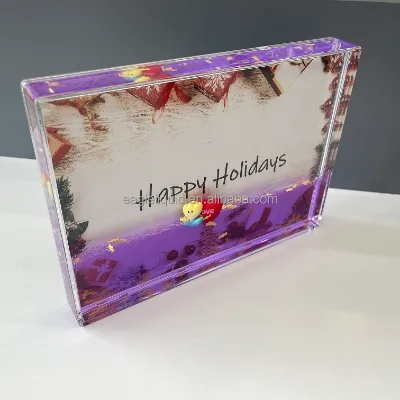
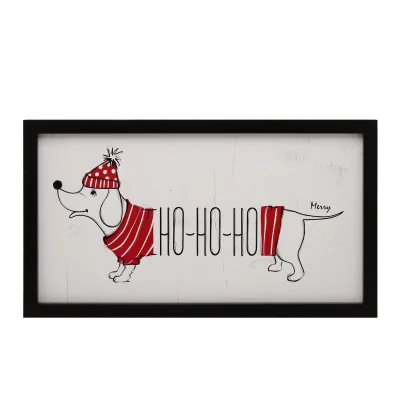
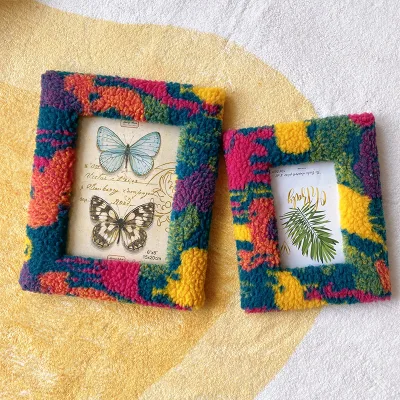
Compare 30 wooden and MDF photo frames suitable for holiday gifts and home decoration. Options include wall-mounted designs with custom sizes, colors, and logos. These handmade pieces offer natural or antique styles for various interior needs; compare the available evidence and request quotations based on your requirements.
Key considerations
Products List








Comprehensive Sourcing Guide
Christmas Photo Frames Sourcing Guide
Sourcing Christmas photo frames requires balancing festive aesthetics with functional durability, as these items serve dual purposes as holiday decorations and sentimental gifts. Buyers must navigate a market where customization is prevalent, allowing for tailored branding and design adjustments that align with specific seasonal themes. The observed product landscape indicates a strong emphasis on hand-made processes and natural styles, which appeal to consumers seeking artisanal quality over mass-produced uniformity. Understanding these nuances helps procurement teams select suppliers who can deliver authentic, high-quality pieces that resonate with end-users during the holiday season.
Commercial viability depends heavily on aligning production timelines with holiday delivery windows, as lead times can extend significantly during peak periods. The data suggests production cycles ranging from thirty to forty-five days, necessitating early planning to avoid stockouts or expedited shipping costs. Additionally, minimum order quantities vary, with some suppliers requiring volumes around five hundred to six hundred pieces, which impacts inventory management strategies. Buyers should evaluate their sales forecasts against these thresholds to ensure efficient capital allocation while maintaining sufficient stock to meet seasonal demand spikes.
Product Scope and Observed Listing Signals
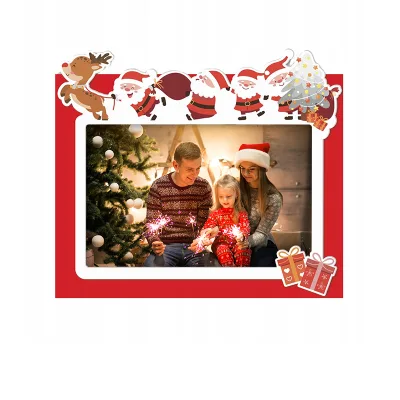
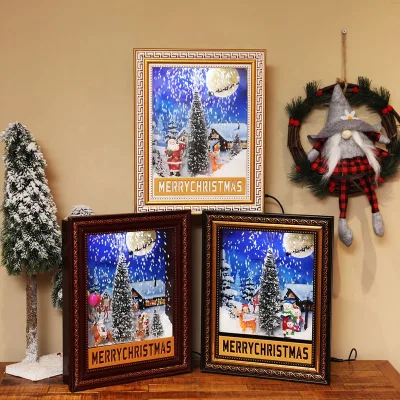
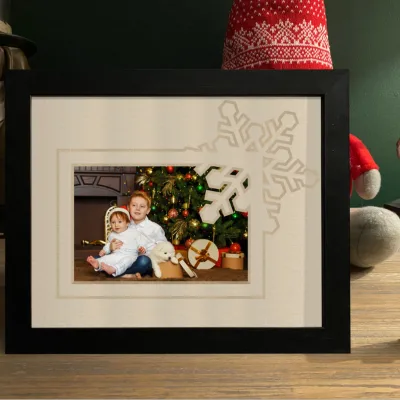
The current market for Christmas photo frames features a diverse range of materials, primarily utilizing medium-density fiberboard (MDF) and wood to achieve various finishes. Listings indicate a strong preference for painted surfaces and natural styles, with options ranging from antique to fashionable designs. Common shapes include rectangles, often oriented horizontally, and sizes such as 8-inch formats or customizable dimensions like 4x6, 5x7, and 8x10 inches. These specifications allow buyers to cater to different display needs, from wall-mounted arrangements to tabletop collections, ensuring versatility in how the frames are presented to consumers.
Customization is a key driver in this category, with suppliers offering tailored colors, logos, and packaging solutions to meet specific brand requirements. The observed product attributes highlight features such as eco-friendly materials and hand-made construction, which add value propositions for environmentally conscious buyers. Packaging methods typically involve protective layers like polyfoam and inner boxes to prevent damage during transit, reflecting the fragility of decorative items. Buyers should verify these details to ensure that the final product meets both aesthetic expectations and logistical safety standards, reducing the risk of returns due to transit damage.
Technical Specifications to Verify
When evaluating technical specifications, buyers must confirm the exact material composition and structural integrity of the frames, particularly for wall-mounted installations. While MDF and wood are common, the density and quality of these materials can vary significantly between suppliers, affecting durability and weight. The single gross weight of approximately 0.18 kg for certain models suggests lightweight designs, which may require reinforcement for larger sizes or heavier glass inserts. Verifying these physical attributes ensures that the frames can withstand handling and installation without compromising their aesthetic appeal or structural stability.
Size customization is another critical technical aspect, as buyers often need frames to fit specific photo dimensions or display spaces. Suppliers may offer custom sizes, but it is essential to confirm the accuracy of these dimensions and the tolerance levels allowed in production. Additionally, the orientation of the frame, whether horizontal or vertical, must align with the intended display method. Buyers should request detailed technical drawings or samples to verify these specifications, ensuring that the final product meets their precise requirements and avoids costly modifications or rejections upon delivery.
Compliance and Safety Documentation
Compliance with safety standards is paramount, especially for products intended for home use and holiday decorations. Buyers should verify that suppliers adhere to relevant regulations regarding material safety, such as formaldehyde emissions from MDF or lead content in paints. Although specific certifications like FSC or RoHS are mentioned in background data, their applicability to every product must be confirmed through direct supplier inquiry. Ensuring that materials are non-toxic and safe for indoor environments protects both the brand reputation and consumer safety, particularly when frames are used in households with children or pets.
Documentation should also cover the origin of materials and the manufacturing processes to ensure ethical sourcing and environmental responsibility. Suppliers from regions like Zhejiang, China, may have varying levels of regulatory oversight, making it crucial to request detailed compliance certificates and test reports. Buyers should establish clear requirements for safety documentation before placing orders, ensuring that all products meet the legal standards of their target markets. This proactive approach minimizes the risk of regulatory issues and enhances the overall trustworthiness of the supply chain.
Cost Drivers and Commercial Terms
Cost structures for Christmas photo frames are influenced by material choices, customization levels, and production complexity. Hand-made processes and natural styles often command higher prices due to the labor-intensive nature of their creation. Buyers should analyze the cost breakdown to understand how factors like painted surfaces, custom logos, and specialized packaging contribute to the final price. Understanding these drivers allows for more accurate budgeting and negotiation, ensuring that cost savings do not compromise quality or delivery timelines.
Commercial terms, including minimum order quantities and payment conditions, play a significant role in the overall procurement strategy. Suppliers may require MOQs of 500 to 600 pieces, which impacts inventory holding costs and cash flow. Additionally, production times of 30 to 45 days necessitate careful planning to align with holiday sales peaks. Buyers should negotiate favorable terms, such as flexible MOQs or extended payment periods, to mitigate financial risks and ensure a smooth procurement process. Clear communication of these terms helps establish a transparent and mutually beneficial partnership with suppliers.
Supplier Qualification and Quality Control
Supplier qualification involves assessing their production capabilities, quality control systems, and past performance in delivering customized orders. Buyers should verify the supplier’s ability to handle hand-made processes and maintain consistency in product quality across large batches. Requesting references or case studies from previous clients can provide insights into the supplier’s reliability and responsiveness. Additionally, evaluating their facility’s infrastructure and workforce training ensures that they can meet the specific demands of Christmas photo frame production, including intricate designs and tight deadlines.
Quality control measures must be rigorously implemented to ensure that each frame meets the agreed-upon standards. Buyers should establish clear inspection criteria, covering aspects like surface finish, structural integrity, and packaging quality. Conducting pre-shipment inspections or hiring third-party quality assurance services can help identify and rectify defects before products leave the factory. By prioritizing supplier qualification and robust quality control, buyers can minimize the risk of receiving substandard products and maintain high customer satisfaction levels during the holiday season.
Long-Term Procurement Checks
Long-term procurement success depends on continuous monitoring of supplier performance and market trends. Buyers should regularly review key performance indicators, such as on-time delivery rates, defect rates, and responsiveness to issues. Establishing a feedback loop with suppliers allows for ongoing improvement and adaptation to changing market demands. Additionally, staying informed about emerging trends in holiday decorations, such as new materials or design styles, helps buyers stay competitive and meet evolving consumer preferences.
Building strong, collaborative relationships with suppliers is essential for securing favorable terms and priority treatment during peak seasons. Regular communication and joint planning sessions can foster trust and alignment on strategic goals. Buyers should also diversify their supplier base to mitigate risks associated with single-source dependencies. By implementing these long-term checks and fostering strong partnerships, buyers can ensure a resilient and efficient supply chain that supports sustained growth and profitability in the Christmas photo frame market.
FAQs
Can I customize the size of wooden photo frames for holiday gifts?
Yes, custom sizes are accepted for these wooden photo frames. Buyers can specify dimensions such as 4x6, 5x7, or 8x10 inches to suit their needs. The manufacturer supports OEM orders and customized logos, allowing for tailored designs that fit specific display requirements or branding goals for corporate holiday gifts.
What is the minimum order quantity for these decorative frames?
The minimum order quantity varies by supplier, typically ranging from 500 to 600 pieces. Some listings indicate an MOQ of 500 PCS, while others require 600 pcs. Buyers should confirm the exact threshold with the specific manufacturer, as bulk pricing and production schedules often depend on meeting these initial volume requirements.
How long does production take for custom wooden picture frames?
Production time generally spans 30 to 45 days depending on the supplier and order complexity. Sample lead times range from 2 to 15 days, while full production batches may take 30 to 35 days or up to 45 days. Buyers should plan accordingly to ensure timely delivery for holiday seasons or specific events.
Are these photo frames made from eco-friendly materials?
Yes, these frames are described as eco-friendly and handmade. They are constructed from MDF and wood, featuring painted surfaces and natural or antique styles. The manufacturing process emphasizes hand-made techniques, ensuring each piece has a unique character while maintaining sustainable material choices suitable for home decoration and gift purposes.
What packaging options are available for shipping these frames?
Standard packaging includes PP bags, polyfoam, inner boxes, and export cartons for safety. Alternative options feature paper corners and shrinking wrap to protect the frames during transit. These methods ensure the items arrive in new condition, preventing damage to the painted surfaces and maintaining the aesthetic quality required for decorative photo frames.
Where are these wooden photo frames manufactured?
These frames originate from Zhejiang, China, with the FOB port located in Ningbo. The manufacturing process is hand-made, utilizing local expertise to produce fashionable and antique styles. Buyers sourcing from this region benefit from established supply chains and efficient logistics through major Chinese ports for international distribution.